


15 Sep Fire Ecology at Nambiti: How Controlled Burns Keep the Bush Thriving
Nambiti’s Landscape and the Role of Fire
When you think of fire in the African wilderness, it’s easy to picture destruction … smoke drifting through the savannah, blackened earth, and animals escaping the flames. But here at Nambiti Game Reserve, fire isn’t feared, it’s respected. And when harnessed carefully, it’s one of the most powerful conservation tools we have.
Situated in the heart of KwaZulu-Natal near Ladysmith, Nambiti Private Game Reserve is a unique ecosystem and a rare malaria-free Big 5 reserve that blends savannah, grassland, and riverine bush. These landscapes have evolved over thousands of years with fire as a natural force. Historically, lightning strikes and traditional burning by indigenous communities kept the ecosystem balanced. Without these periodic burns, grasslands become overgrown and choked with moribund vegetation, crowding out biodiversity and increasing the risk of catastrophic wildfires.
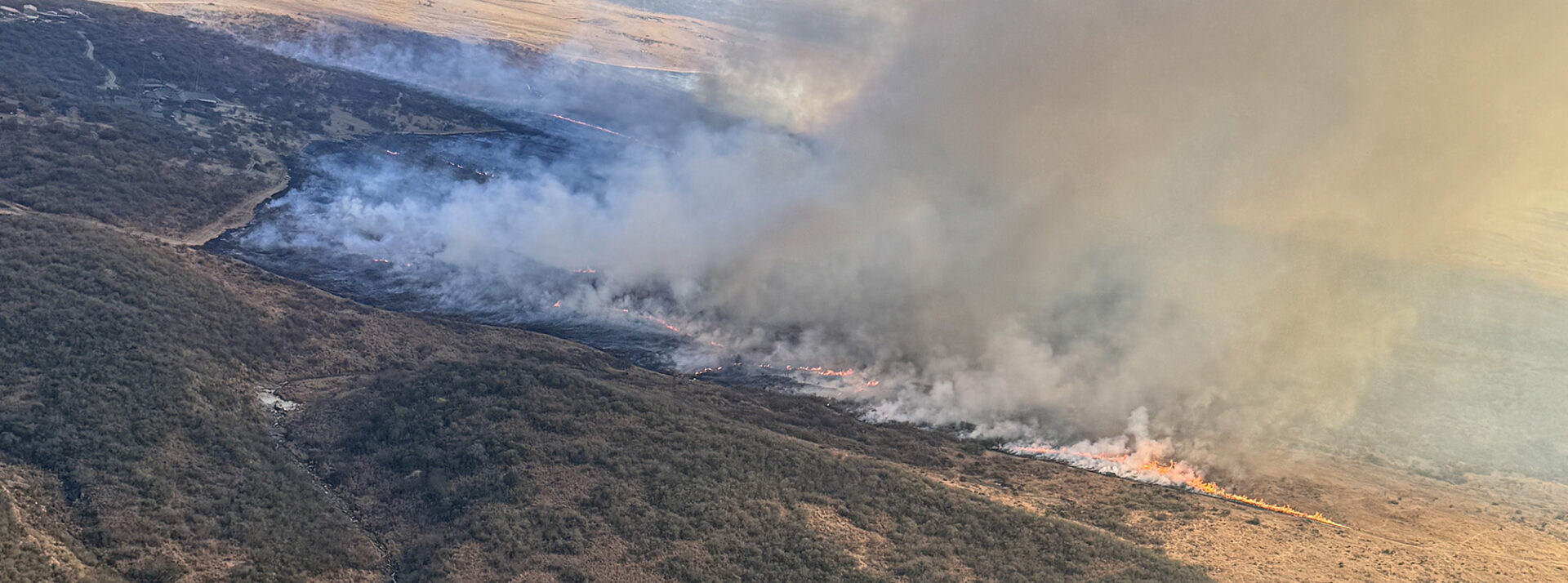
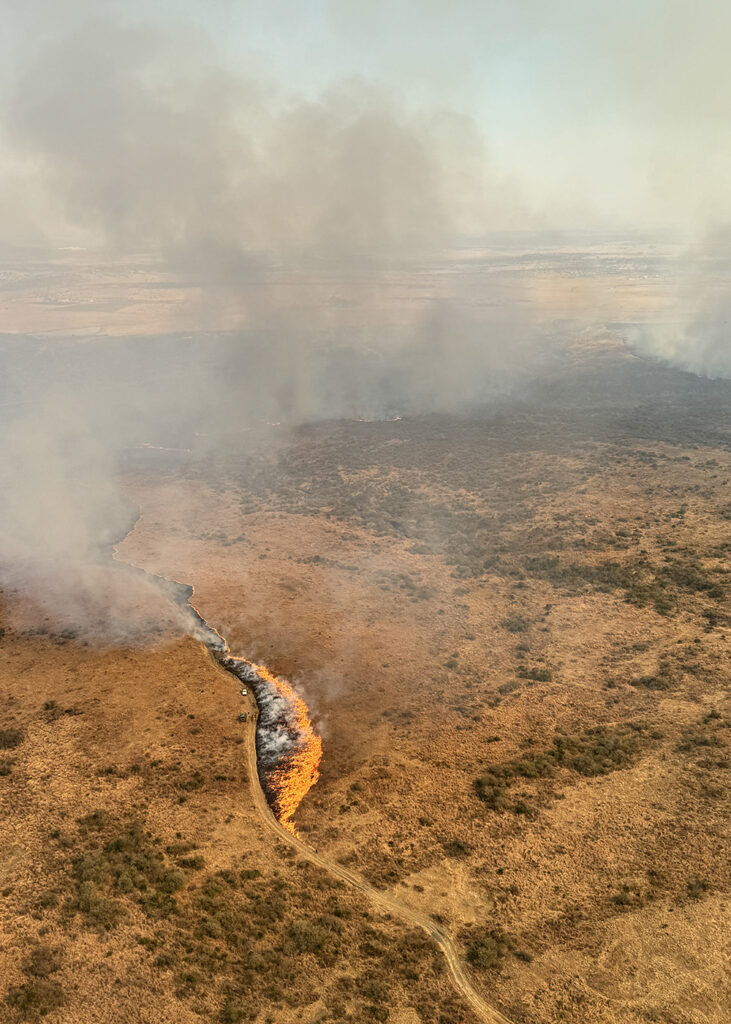
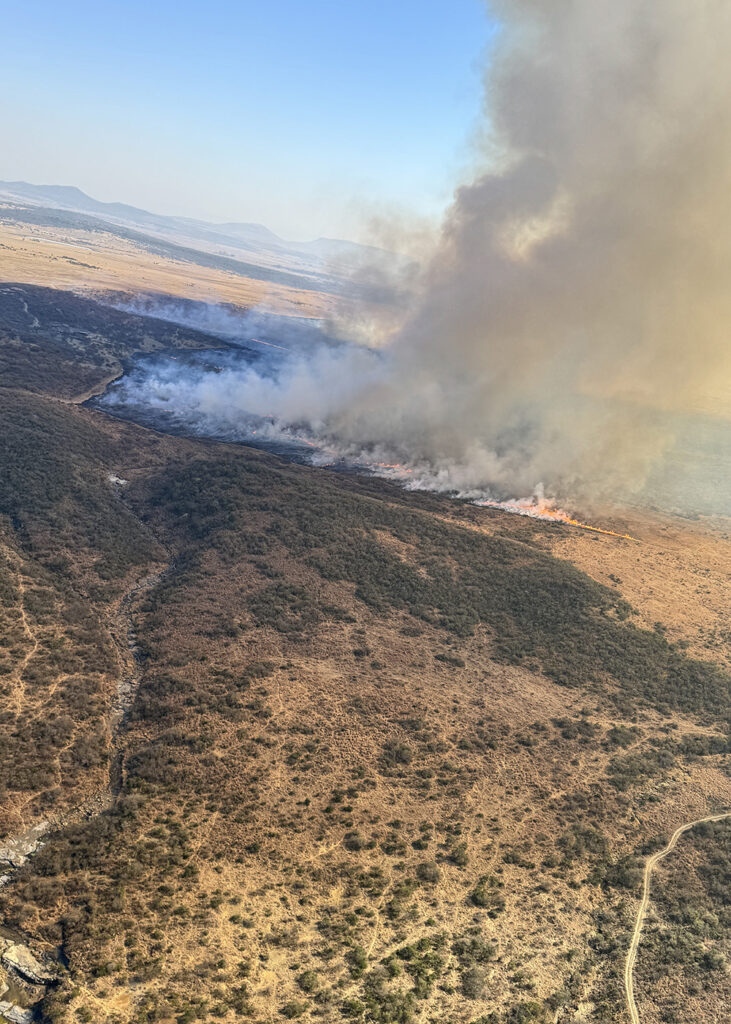
At Nambiti, we continue this natural rhythm with carefully managed controlled burns, carried out by trained conservation professionals. A controlled (or prescribed) burn is a strategically planned fire, intentionally set under strict safety conditions to mimic the natural fire cycles that many ecosystems, including Nambiti’s, depend on.
What Are Controlled Burns?
- Conducted during ideal weather conditions (low wind, stable humidity)
- Monitored by trained fire teams
- Contained by firebreaks and pre-cleared areas
- Planned with input from ecologists and land managers.
At Nambiti, each burn is part of a broader ecological management plan, ensuring that the fire benefits both the environment and its inhabitants. The reserve’s open plains are home to grazers like zebra, wildebeest, and eland which are species that rely on nutrient-rich young grasses. Controlled burns clear out old, dry grass and allow for lush green regrowth, attracting herds and, in turn, predators like lions and cheetahs.
Conservation Benefits of Fire Ecology
Without intervention, dry vegetation builds up and turns into dangerous fuel for wildfires. Controlled burns reduce this fuel load, helping to prevent large-scale, uncontrollable fires which are a growing threat in the face of climate change. Some plant species only germinate after a fire, while others thrive in the post-burn conditions. By clearing out dominant or invasive plants, fire makes space for greater plant diversity, which supports a richer variety of insects, birds, and mammals.
Fire returns nutrients from dead vegetation back to the soil, enriching it and improving the conditions for new growth. It’s a form of natural recycling that keeps the ecosystem productive.
How Wildlife Responds to Fire
Guests often ask: What about the animals, are they safe during a burn?
The answer is yes, and it’s a fascinating aspect of fire ecology. Wildlife in Nambiti has evolved with fire. Most species are attuned to the smell of smoke and the sound of crackling, and instinctively move away long before the fire reaches them.
- Birds may even benefit, feeding on insects flushed out by the flames
- Small mammals often burrow or shelter in fire-resistant areas
- Larger animals like elephants, rhino, and buffalo simply relocate temporarily.
At Nambiti, our teams thoroughly check the burn area before ignition to ensure no wildlife is in harm’s way.
Fire as a Force of Renewal
As a private game reserve committed to ecological integrity and long-term sustainability, Nambiti’s controlled burns are not just fire, they’re a form of healing. Our approach is based on a deep understanding of fire ecology, guided by research, experience, and respect for the land.
Each burn we conduct is done with the goal of improving:
- Grazing quality for wildlife
- Habitat diversity
- Long-term ecosystem resilience.
Controlled burns are just one way that Nambiti contributes to conservation, but they are a vital one allowing us to maintain a healthy balance between the natural cycles of life, death, and renewal.
At first glance, a scorched patch of land might seem lifeless. But give it a few weeks, and you’ll see green shoots, fresh grazers, and life returning in abundance. This is fire’s gift to the bush and a reminder that in nature, destruction is often a prelude to rebirth.
At Nambiti, we don’t just manage land. We listen to it, learn from it, and work with it, fire and all.